
Why safety shaped the way we built Boardroom

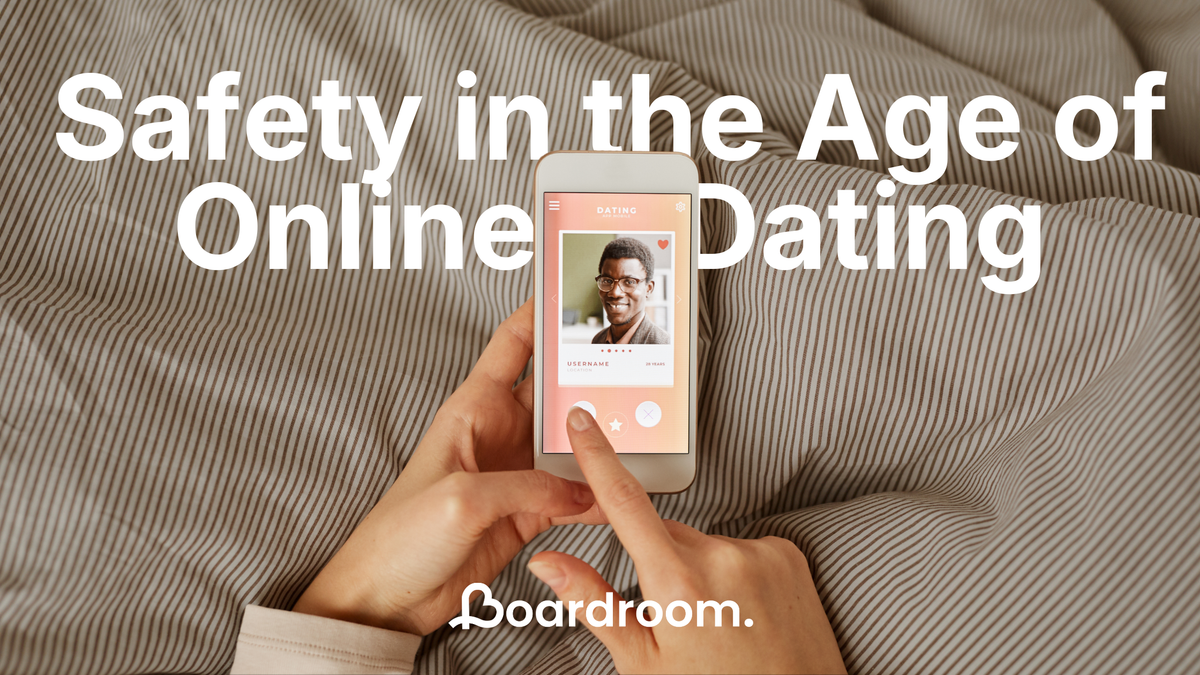
When we started building Boardroom, safety was never something we thought we could add later.
As a South African dating app, we were building in a context where conversations around dating, trust, violence and personal safety are very real. That inevitably shaped the questions we asked from the beginning.
How do we make it harder for people to hide behind fake identities?
What happens when someone raises a concern?
And how much friction are we willing to introduce if that friction helps us build a more accountable dating community?
The truth is, some of the decisions we made have probably made Boardroom slower to grow. Requiring LinkedIn and selfie verification, manually reviewing profiles which can sometimes mean longer times to verification, using additional safety checks and taking reports seriously all introduce more steps than simply allowing anyone to create an account and start swiping.
But that was a trade-off we were willing to make. Because for us, growth was never just about getting as many people onto the platform as possible. It was about being intentional about the kind of community we were building.
One of the clearest examples of that is our Trust Score. Boardroom uses behaviour on the app to help build a trust rating that other users can see. It was not always a popular feature, and we understood why. People do not necessarily like the idea of being rated.
But we also knew that dating platforms often ask people to make decisions with very little context. For us, some form of social proof mattered.
A profile can tell you what someone says about themselves. Behaviour can tell you something different.
The Trust Score was built to introduce another layer of accountability — not to label someone as “good” or “bad”, but to give users more information when deciding who they feel comfortable engaging with.
That principle has shaped many of our product decisions: sometimes creating a safer environment means introducing a little more friction, transparency and accountability than people are used to.
That does not mean we have solved safety.
No dating platform can guarantee that every person using it is who they appear to be, or that someone with bad intentions will never get through. People can misrepresent themselves. Systems can miss things. Behaviour can change after someone joins.
We think platforms need to be honest about that. Our responsibility is to keep making it harder for bad actors to operate, to respond appropriately when concerns are raised, and to continue improving the systems around the people using Boardroom.
That also means listening.
The people who use dating apps understand the realities of online dating in ways that product teams sometimes cannot see from behind a screen. They know where they feel exposed. They know what makes them hesitate before meeting someone.
They know when a reporting process feels unclear, when a privacy feature is missing, or when something simply does not feel right.
We want those experiences to help shape what we build next. So while safety has been part of Boardroom from the beginning, we do not see it as something that is ever “finished”.
We want to keep asking better questions.
What would make people feel more confident using a dating platform?
What information should users have before meeting someone?
What should happen after a report is made?
Where could platforms give users more control?
And what are we still missing?
Building Boardroom in South Africa forced us to think deeply about these questions from day one. And while the context may be local, the need is not.
People everywhere want to connect with others without having to choose between openness and safety.
We believe dating platforms have a responsibility to keep working towards both.
And we intend to keep doing exactly that.
Press Office: press@heyboardroom.com


